Industrial Product Photography: A Guide to Capturing Large Machinery & Equipment
Master industrial product photography with tips for lighting, composition & post-production to capture large machinery for B2B marketing success.
Sunil Kinger
9/25/20254 min read
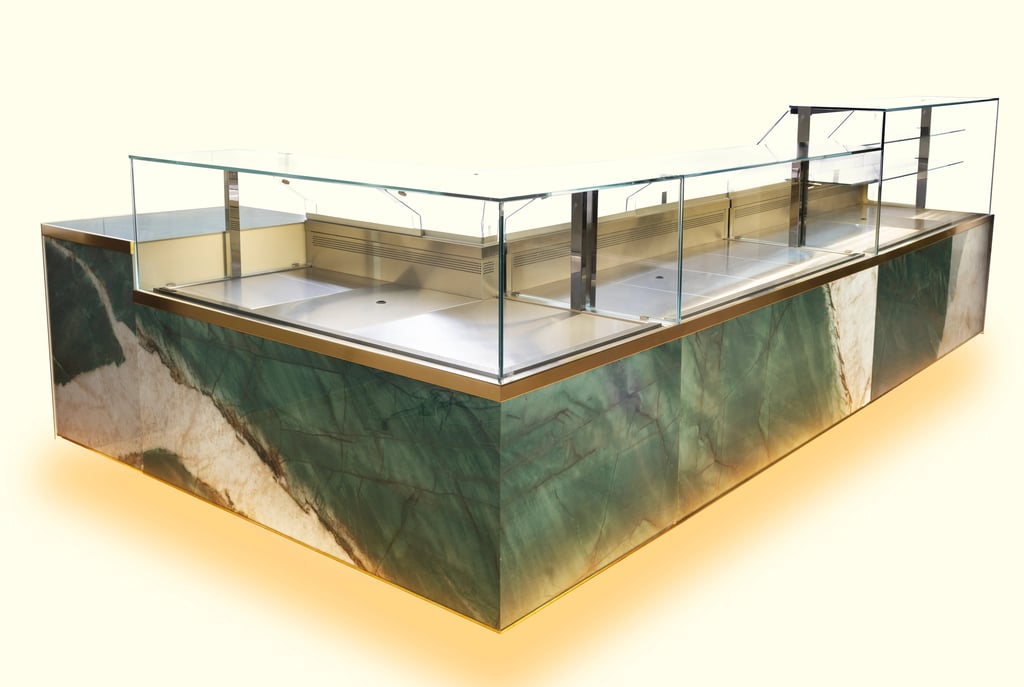
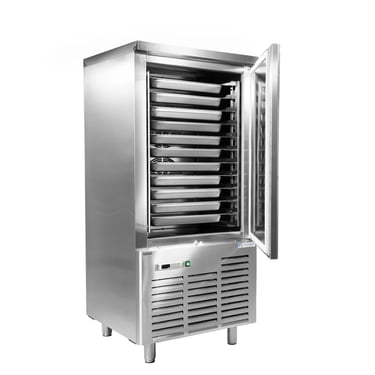
When you think of commercial product photography, you might picture sleek gadgets on a pristine white background. But what happens when your "product" is a 2-ton blast freezer, a sprawling CNC machine, or complex heavy equipment? You can't exactly put that on a rotating turntable!
Industrial product photography is a specialized form of commercial photography that presents unique challenges and demands a completely different approach. It’s less about a studio setup and more about an on-location photoshoot. Here’s a deep dive into the nuances of capturing these monumental subjects, ensuring your images convey their scale, power, and precision for B2B marketing.
The Immovable Object: Unique Challenges of Large Machinery Photography
The first rule of heavy equipment photography? The product is the studio.
Immovability: You can’t move the subject, so you become the agile one. This means adapting to factory photography, warehouse settings, or outdoor sites, complete with their inherent quirks.
Scale and Perspective: These products are often immense, making it a real feat to capture their entire scope while still highlighting critical details. Conveying true size without distortion is key to professional product photography.
The Environment as a Character: Unlike a controlled studio, your "background" might be busy, dusty, or filled with other machinery. This can be a distraction or an opportunity.
Safety First, Always: This cannot be stressed enough. Industrial environments come with their own hazards. Always prioritize safety protocols, wear appropriate PPE, and be aware of your surroundings.
Mastering Composition on Location
Since you can't control the product, you must control everything else.
Tell a Story with the Setting: The factory floor, the assembly line, the warehouse photography – these aren't just backdrops; they provide crucial context. Use them to emphasize the product's function, its role in a larger process, and its sheer scale.
Declutter with Purpose: While the main subject is fixed, much of its immediate surroundings might not be. Before you even think about your camera settings, dedicate time to decluttering. Clear away stray tools, unnecessary boxes, sweeping the floor, or repositioning distracting elements. A clean environment elevates the entire shot.
Dynamic Angles are Your Best Friend: Since the product won't move for you, you must move around it. Experiment!
Low Angles: Shoot from a low perspective to make the machine appear more imposing and powerful.
High Angles: From a ladder, a catwalk, or even a drone, a higher angle can reveal the machine's layout, its connections, and its overall complexity.
Wide Shots: Capture the entire product and its environment to establish context and scale.
Hero Shots: Focus on the Details: While grand sweeping shots are vital, clients also need to see the craftsmanship. Get in close for "hero shots" of control panels, specific components, unique features, or the prominent branding. These details are essential for product photography tips that work.
Industrial Photography Lighting & Gear
Forget softboxes designed for small products. You need power and precision.
The Power of Artificial Lighting: Natural light in industrial spaces is often scarce. This is where powerful, portable artificial lighting becomes indispensable for professional photography services.
Creating Dimension with Multiple Sources: A single light source on a huge machine often results in a flat, two-dimensional image. Employing multiple lights – a key light, a fill light, and even a backlight – will add critical depth, highlight contours, and reveal textures.
Taming the Reflections: Shiny metal surfaces are notorious for harsh reflections and glare. Large diffusers, scrims, or carefully positioned softboxes can spread the light, minimizing hotspots and creating beautiful, even reflections that define the machine's form.
The Right Tools for the Job:
Wide-Angle Lenses: Crucial for capturing the entire product in tight spaces.
Sturdy Tripods: Absolutely non-negotiable for sharp images.
Durable Camera Body: An industrial environment can be demanding; a robust, weather-sealed camera is a wise investment for this type of product photography.
Drones: For truly awe-inspiring perspectives, a drone can capture overhead shots and provide unique aerial angles that are otherwise impossible.
The Post-Production Powerhouse: Refining Your Industrial Masterpiece
The shoot is only half the battle. Post-production is where your industrial images truly shine.
Digital Cleanup: Even with the best onsite preparation, distracting elements inevitably creep in. Cables, dust, smudges, or unwanted reflections can often be digitally removed, creating a cleaner, more professional final image.
Precision Color Correction & Grading: Ensuring accurate color representation is vital, especially for branding. Industrial lighting can be tricky, so meticulous color correction is essential.
Compositing & Stitching: For truly massive or incredibly long machines, you might need to take multiple shots and stitch them together. This allows you to create an impossibly wide, high-resolution image that captures everything.
The "Studio" Transformation: Sometimes, clients might want the industrial product against a clean background, even if it was shot in a busy factory. Advanced masking and compositing techniques can allow you to digitally remove the background and place the product into a more sterile, studio-like environment.
Final Pro-Tips for Industrial Photography Success
Scout the Location Religiously: Never go in blind. Always conduct a thorough site visit beforehand to assess lighting, space, and optimal shooting angles.
Collaborate with the Client: Your client knows their product best. Work closely with them to understand its most important features and key selling points.
Shoot for the End Goal: Always keep the final usage in mind. Are these images for a website, a print brochure, a trade show booth, or an annual report? This will influence your composition, resolution, and the specific details you choose to highlight.
Photographing large industrial products is a demanding yet incredibly rewarding niche. It challenges you to think creatively, leverage technical expertise, and truly understand the story behind these powerful machines. By mastering these nuances, you'll deliver images that don't just showcase a product, but celebrate its engineering, scale, and purpose.

Crafting Product Visuals that Sell.
© 2025. All rights reserved.